

As a people manager it’s your responsibility to support us in driving a performance-led culture by completing the performance framework for each team member during their tour of duty.
If your tour ends before your team member, give a clear handover to your replacement. Remember to give any feedback about underperformance or high achievement directly to your team member before handover to your replacement.
Use the tabs below for full details and documents to support you in completing the performance framework for your team member/s
- Set performance expectations
- Monitor Performance
- Developing your team member
- Appraise: End-of-tour review

It’s important that each team member is set up for success as they start their tour. As a manager, it’s your responsibility to ensure they are clear about what is expected of them in their role.
Within the first two weeks of your team member’s tour, meet with them to discuss their tasks, ‘what’ they need to do (tasks and goals) and ‘how’ they do it (actions and behaviours), through living our Culture Essentials and demonstrating our Service Behaviours. It might be appropriate for your team member to have specific goals, depending on their rank and role.
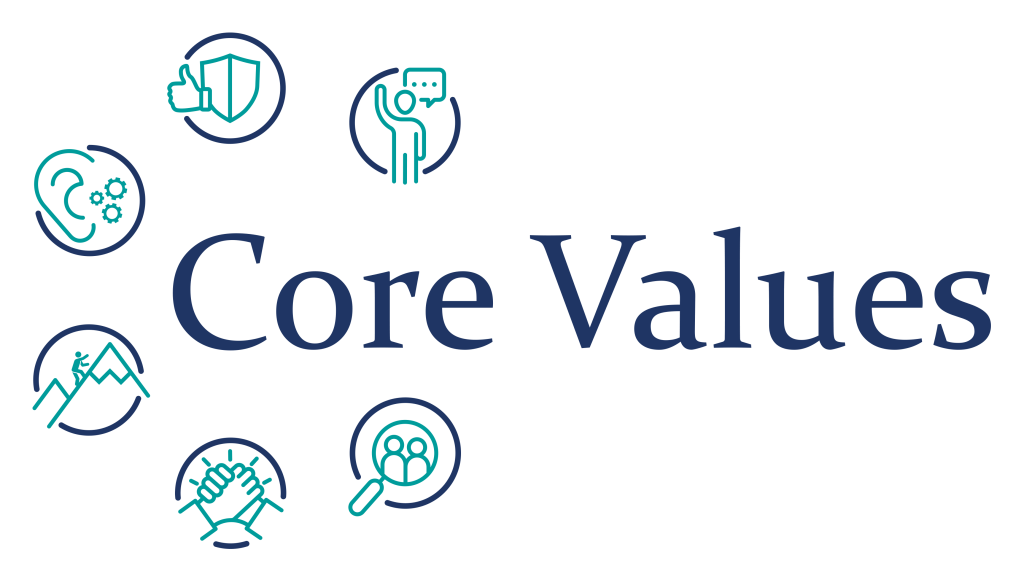
Use the icons below to learn more about our Core Values and Service Behaviours.

Your team member may have some development needs from their last tour. Discuss what support they need – you must give them regular feedback on their progress throughout their tour.
For maritime team members: If your team member has goals from a previous tour of duty, familarise yourself with these and agree how best to support the individual during their current contract. If goals need to be set, meet your team member within two weeks of embarkation to do this. Use this form to guide the conversation and share a copy with your team member at the end. They need to keep this with them for their end-of-tour appraisal.

As a manager, it’s your responsibility to ensure your team member/s are clear about what’s expected of them in their role. Monitoring your team member’s performance with regular 121 conversations is a vital part of the performance framework as 121s provide an opportunity to work through challenges in real time.
- Commit to holding your 121’s regularly and don’t cancel them. Meeting regularly strengthens relationships and maximises performance. Showing that these meetings are important to you will help your team member feel valued and engaged.
- Be sure to cover a breadth of topics. Have an agreed agenda or ask your team member to prepare a list of topics in advance. Remain flexible if your team member would like to use their 121 to address something different.
- Take the opportunity to provide and also receive feedback, it shouldn’t just move in one direction. Regular feedback drives great performance, resulting in less surprises for your team and for you. Be sure to acknowledge great performance, as well as where things could be improved.
Maritime colleagues: If you’re overseeing a Riding Team on board your ship, you should complete this feedback form following their visit. Feedback given will support the individual’s end-of-tour appraisal which will be competed by their Riding Team Manager.
If you have an underperforming team member, use the development tab to help you manage this.

Remember, 121s are a safe space for team members to Speak Up. Use this guide to help you if someone Speaks Up.
Providing clear and ongoing feedback is important to help increase your team member’s performance as well as work towards any development goals they may have. Giving feedback with care and understanding shows your team member you are trying to help them, rather than tell them off. To support your team member with their development, first consider:
- Is an individual performing to the expected behavioural and technical standards?
- What specifically do they need to improve or develop?
- Have any development areas been carried forward from last appraisal?
Then discuss and agree development needs with the individual, and support them to build their Individual Development Plan.
Open Cunard Individual Development Plan form here.
Open P&O Cruises Individual Development Plan form here.
Underperforming team member?
If you have identified underperformance issues, use 121 meetings as an opportunity to coach and support your team member. When giving feedback it should be objective (based on observations and not opinion) and clear. Remember these important principles of good feedback:
- Focus on the behaviour or action, not the personality.
- Base on observations, not judgements.
- Be clear and specific to reinforce positive behaviour and actions, redirect unhelpful behaviour and actions, and help the individual understand where they need to focus.
If performance doesn’t improve and you need support, talk to your HRM. Consider a performance improvement plan as a first stage then if required progress to the Performance Improvement Policy. The policy and guidance helps set boundaries so people know what is and isn’t acceptable performance, and the consequences of underperformance.


End-of-tour appraisals are assessed on a three-point scale.
Click here for more information.
End-of-tour reviews are a vital part of driving performance; this ensures all colleagues have clarity about how they have performed during their tour.
Before the review meeting:
- Book a face-to-face appraisal meeting with your team member. This should be during the last two weeks of their tour, but not the last day (if the appraisal form is paper-based, you need to provide them with a hard copy of their appraisal before they disembark).
- Suggest your team member reads the ‘My Performance and appraisal‘ section which guides them on how to prepare.
- Ask your team member to think about what they want to discuss; what they think they have done well and what they would like to develop during their next tour.
- Reflect on your team member’s performance against expectations or goals set at the start of the tour and their performance more generally.
- If your team member has a shore manager, contact them before the review to collect their feedback and discuss performance.
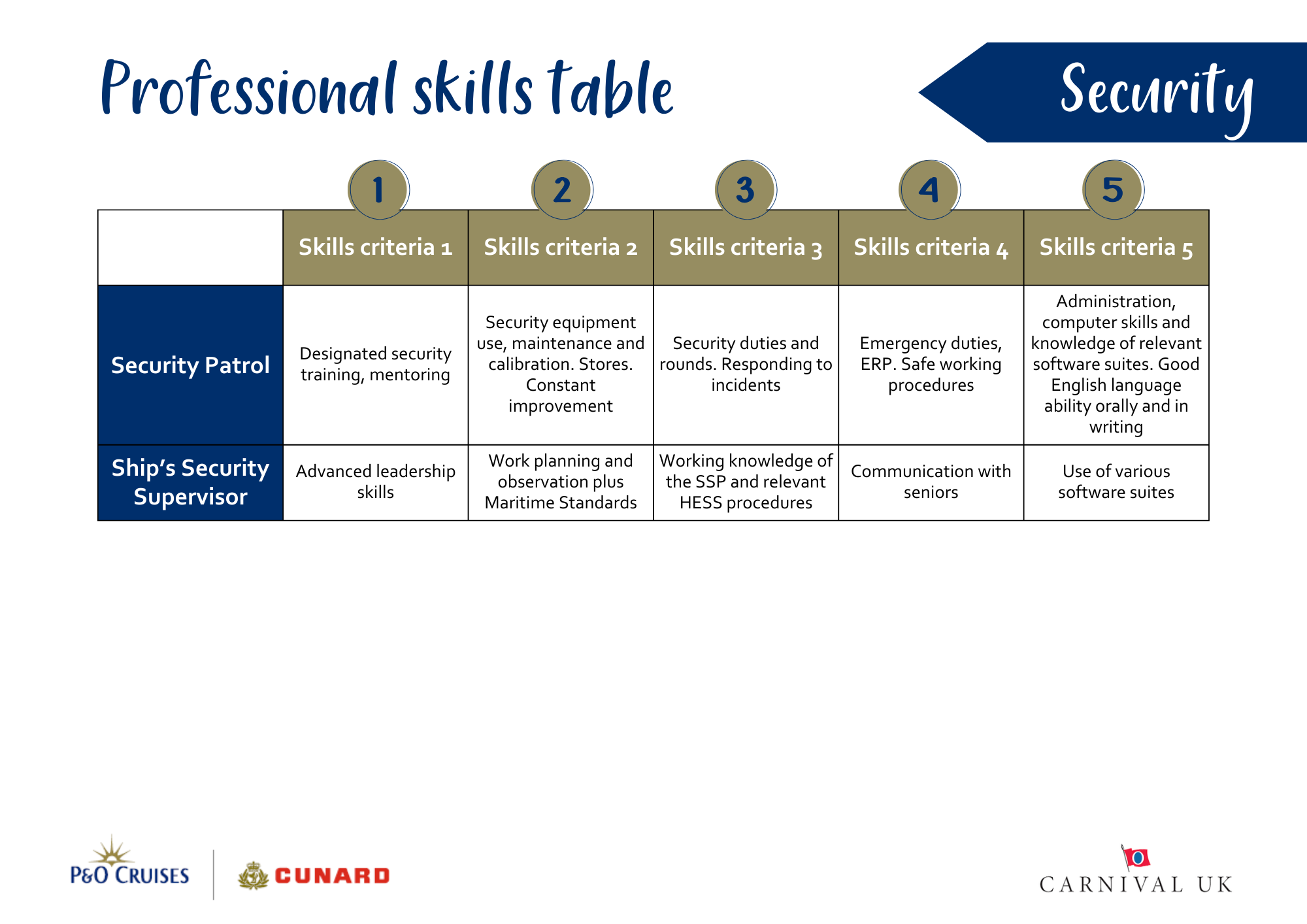
For maritime colleagues: Ask your team member to prepare for their review and remind them to bring their previous end-of-tour review/New Hire Conversation Guidance with them. Also review your team member’s progress against the professional skills criteria using the tables below. You can use this form to draft your comments ahead of the review meeting.



During the review meeting:
- Ensure the conversation is two-way, appraisal discussions should be a good experience, which encourages great crew members to return.
- Review your team member’s achievements against their goals and Core Values/Service Behaviours
- Discuss progress against any development goals
- Celebrate achievements and awards, EG recognition scheme or long service.
For maritime colleagues: Set goals for their next contract using the guidance on this page. (I will… / In order to… / By this date…) If the crew member is ready for promotion, use their review to check they meet the minimum certification requirements.
After the review:
- Complete the appraisal form. Remember your ratings and comments must be objective – based on observations and not opinion.
- If there are any team member comments, add them to the comments box.
- If the appraisal form is paper-based, you must print and hand a copy of the appraisal form to the team member before they leave the ship.
- If the appraisal form is online, the crew member will automatically receive a copy of the appraisal form via email.
For maritime colleagues: Make sure the end-of-tour review form is approved by the relevant senior manager and your team member has received a copy via email before they disembark. If you’re recommending them for promotion, complete this Maritime Promotion Recommendation Form.
Thank you for helping to drive a step change in business performance by setting clearer expectations and supporting team members.