
Are Robots Trying to Steal Your Data? A new fake chatbot phishing trend is emerging, learn how to avoid getting hooked!
Hackers are constantly coming to town with new methods to take your information, which is why it’s important to be aware of arising trends and how to actively avoid them. Among these emerging cyber trends, the fake chatbot is one of them.
Fake chatbots are effective because people are more likely to trust and share information with technologies that are designed to solve problems and provide customer assistance with users that visit a website.
Behind the Curtain
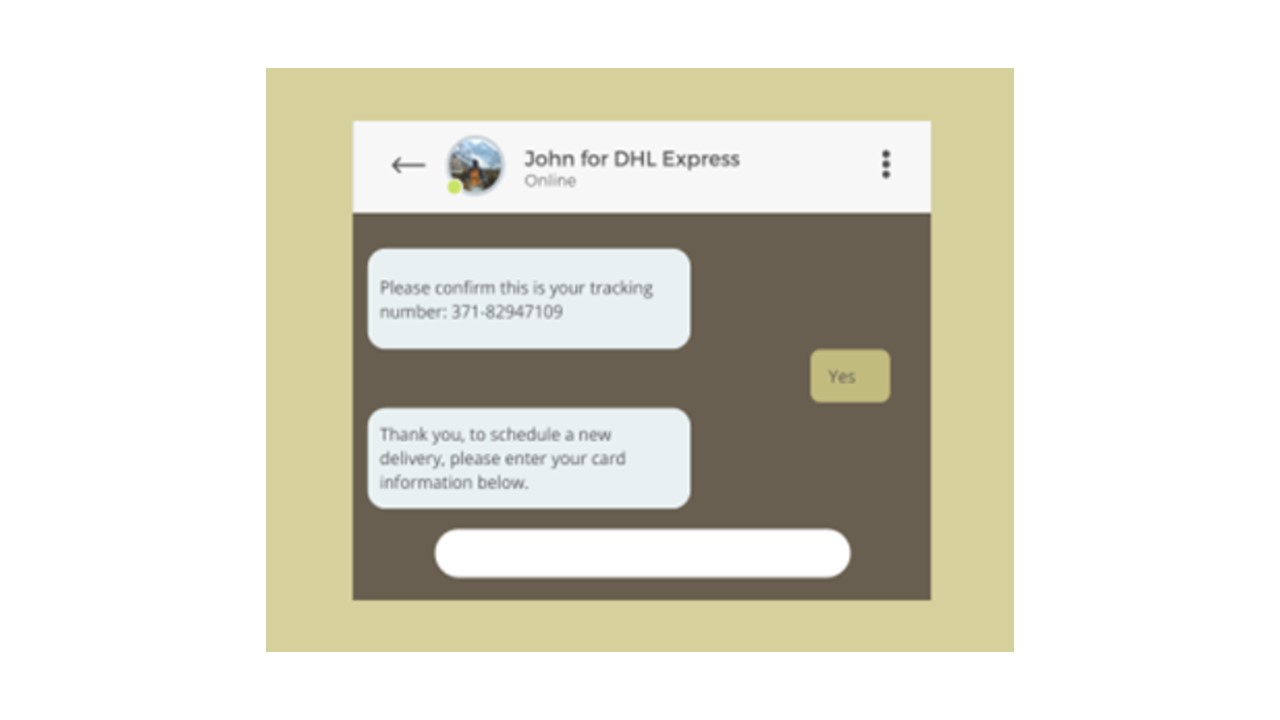
In this case, the program doesn’t exist to assist. A chatbot usually follows the initial contact, encountered after clicking a link in an email, taking them to a website to ask questions that lead people to give up their personal information. Typically, the last stage involves the chatbot asking for a person’s credit card information. See below for a real-life example of how fake chatbots might ask you to disclose sensitive information.
Don’t Get Scammed
People most often encounter fake chatbots after clicking bogus email links, redirecting them to fraudulent websites. Keep these steps in mind to determine legitimacy and protect yourself by:
- Scrutinising every email you receive, especially if it includes links to outside websites. If it looks suspicious, report it!
- Never clicking on suspicious links – especially if they’re from unauthorised or unknown senders.
- Verifying that the senders’ names and email address in the ‘from’ field match and is an actual company.
- Remembering legitimate companies will never ask for your login credentials, credit card information or other sensitive information – if you’re asked to share compromising information, it’s a scam.
- Paying attention to misspelled words, phrases and word choices.
- Remembering that HTTPS addresses tend to be more secure than HTTP
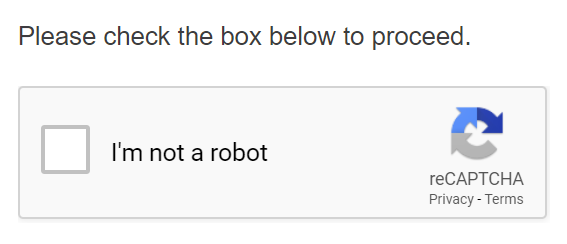
Be very careful what you click on, as fake elements like https://theinsider.carnivalukgroup.com/crew-hub/crew-assistance-programme-cap/TCHA look eerily similar to the real thing. (Picture left shows an example of a https://theinsider.carnivalukgroup.com/crew-hub/crew-assistance-programme-cap/TCHA.)
If any slight red flags arise in your head, or anything seems suspicious, don’t hesitate to report it using the ‘Submit a Phish’ button located in your Outlook toolbar.