
Can you tell if someone is struggling with their mental health?
 It’s easy to know when someone needs help if their arm is bleeding or if they are unconscious on the ground. But can you spot signs of poor mental health? Would you recognise what is happening so you could intervene and help? It’s not as easy as you might think, but there are clues you can pick up along the way.
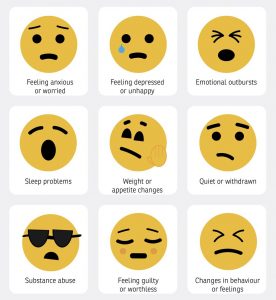
Signs that someone is struggling with their mental health is not very straightforward. Here are just a few things to look out for:
- Withdrawing – do you have a friend constantly postponing their lunch date with you? If someone starts pulling away from social events, it may be an indicator of a bigger issue.
- Behavioural change – is the social butterfly of the office being reclusive and subdued? Or the flip of that, is the quiet one being overly boisterous and dramatic? Drastic changes in behaviour may be another clue.
- Physical signs – has someone started appearing in meetings looking a bit dishevelled and unkempt? Maybe it was an early morning meeting, and they haven’t had their coffee yet. Or maybe getting ready for the day is a bit more than they can mentally handle at that moment?
These are just a few signs of things to look out for and these are the things that make Mental Health First Aiders take notice. But they aren’t the only ones that should be aware. Everyone should keep an eye out for mental health struggles because we are all here to help each other.
 So what do you do if you notice someone struggling? Here are a few ideas:
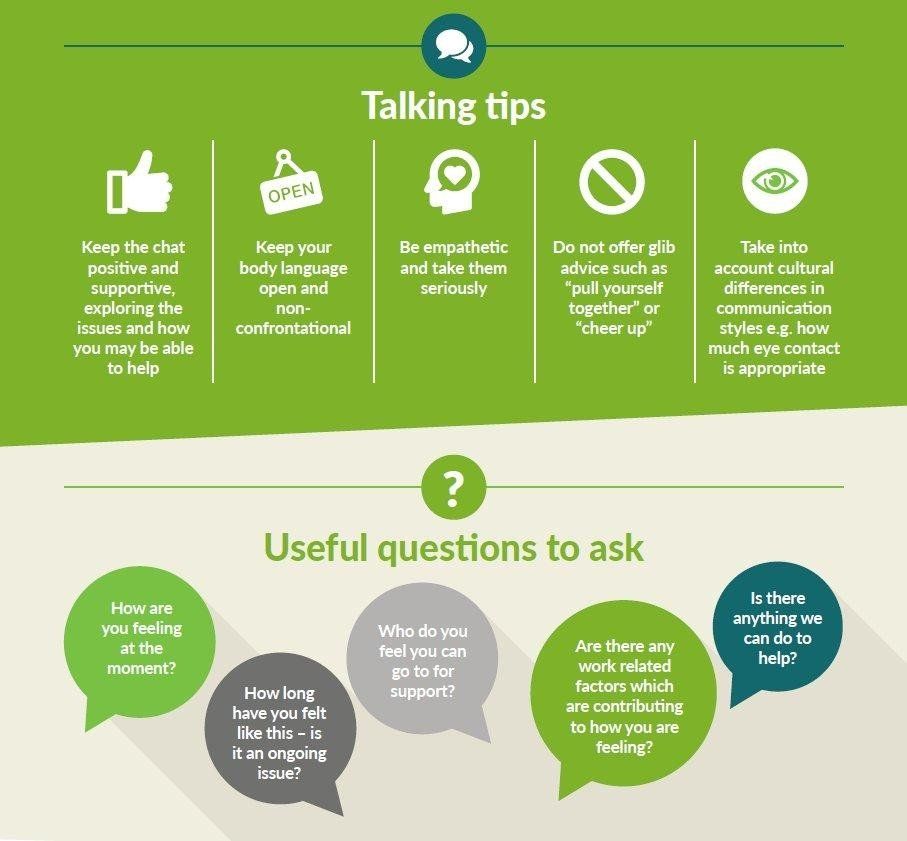
- Reach out to them – ask them how they are doing. It doesn’t have to be a long-drawn-out conversation, but it could help if you checked on them. It is ok to let them know you are worried about them but only if you are doing it from a place of concern.
- Empathise – listen to how they respond. Hear what they are saying about how they are doing. Don’t advise or offer your opinion. Just be there.
- Point them in the direction of help – just like we don’t know how to set a broken bone, we aren’t the experts in mental health. If you sense someone has a problem that requires professional help, encourage it. Sometimes the suggestion of a counsellor or going to see the GP or even reading a self-help book will guide them in the right direction to seek help.
- Reach out to them again – if someone has reached out to you in the past, it means they felt comfortable enough to trust you with that in the first place. Reach out to them and see if they would like to grab a cup of coffee. That bridge of trust will grow and build.
 The holiday season can be a hard one to get through for a lot of people. At a time when everything around us is festive, it can be a lonely time for many. It is important we all keep our eyes and ears open to everyone around us and reach out a helping hand if we see someone struggling.
 The holiday season can be a hard one to get through for a lot of people. At a time when everything around us is festive, it can be a lonely time for many. It is important we all keep our eyes and ears open to everyone around us and reach out a helping hand if we see someone struggling.