
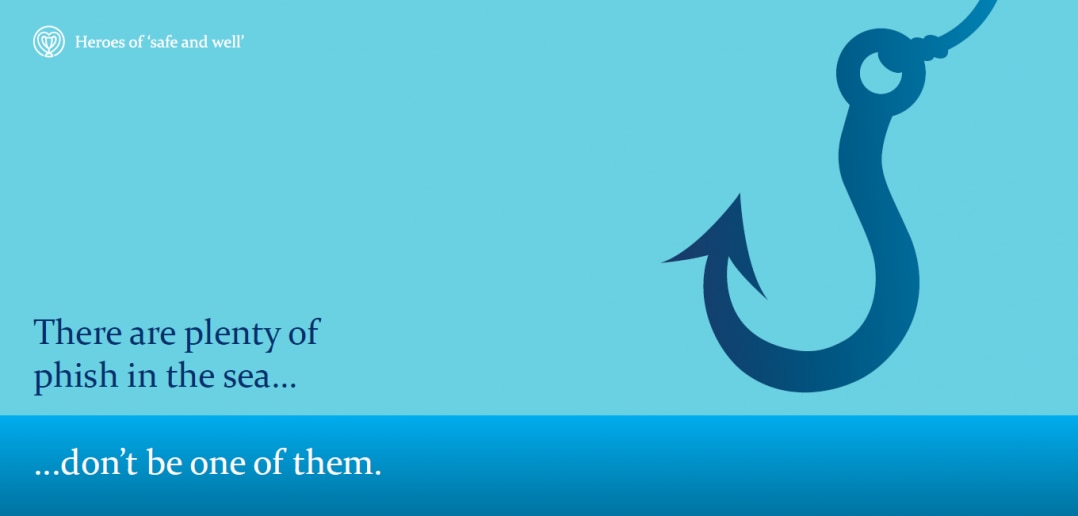
Over the course of 2020, the global coronavirus pandemic has seen increased activity with scammers using the current pandemic as a means to try and steal information any way that they can. For example, these e-mails may take advantage of the COVID-19 situation by pretending to be from legitimate health and government organisations.
THE NUMBER 1 RULE IS NEVER click on a link or download a file if you are not sure of the legitimacy of the email or the sender.
They may:
- Ask you to disclose personal information
- Ask you to confirm your account details
- Ask you to perform an action such as click links
- Ask you to pay for services or products
- The e-mail may be an attempt to steal Information
If in doubt, please contact IT.security@carnivalukgroup.com
- If you suspect you’ve received a phishing email please report it to the IT service desk on 023 8065 6000.
- If you accidentally click a link which you’re unsure of, immediately disconnect your machine from the network and report it to the IT service desk.
So, what is a phishing email?
It’s an email that’s designed to extract information from you. It may convey a sense of urgency to get you to respond. It could also be look like it’s been sent by someone senior within Carnival UK or our sister brands who you feel you must respond to straight away. However – STOP! Ask yourself… would an executive member really email you directly to ensure your personal information was up to date? Some phishing emails can look really convincing, they may even use corporate logos, or seem to come from someone you know.
Here are some points to consider if you receive an email you’re unsure about:
- Check the sender’s email address – is it correct? Or is there a subtle difference?
- Am I expecting this email?
- Do I know the person?
- Is this a change of topic from the sender? (Had we been talking about something completely different to the email they have just sent me?)
- Has the email I’ve been sent asked me to review a document or click on a link?
- Are there grammatical errors in the email?
- Are you being asked to confirm or provide personal information – about yourself, a colleague or a Guest?
- If you’re unsure about the email, or you aren’t expecting this kind of email from the sender – contact the sender to confirm face-to-face or over the phone if they’ve sent it.
- When working from home, consider your surroundings when using video conferencing, ensure nothing sensitive is visible.
If you’re in any doubt over the legitimacy of an email please contact: IT.security@carnivalukgroup.com
Also, if it’s an email to your personal email address, think about:
- Are you being told you’ve won a huge amount of money! (Not to burst your bubble – but it’s unlikely… so check out the validity of the email before being quick to respond.)
- Is your bank asking you to confirm your information? (Your bank would never ask you to confirm details over email – always phone your bank to check if you’re unsure if the email is legitimate.)
- Is the email trying to blackmail you? Is a threatening tone of voice being used in the email? For example, a recent case showed an email which stated “You have been identified as using various adult sites, we are aware of your passwords and if you don’t pay us ‘X’ amount of money in bitcoin we will report you to all of your contacts in your contacts list.”
It is all of our responsibility to make sure these scammers don’t get what they want and protect ourselves and the business, particularly during these unprecedented times.
Remember: Ship to Shore – Always Secure.