
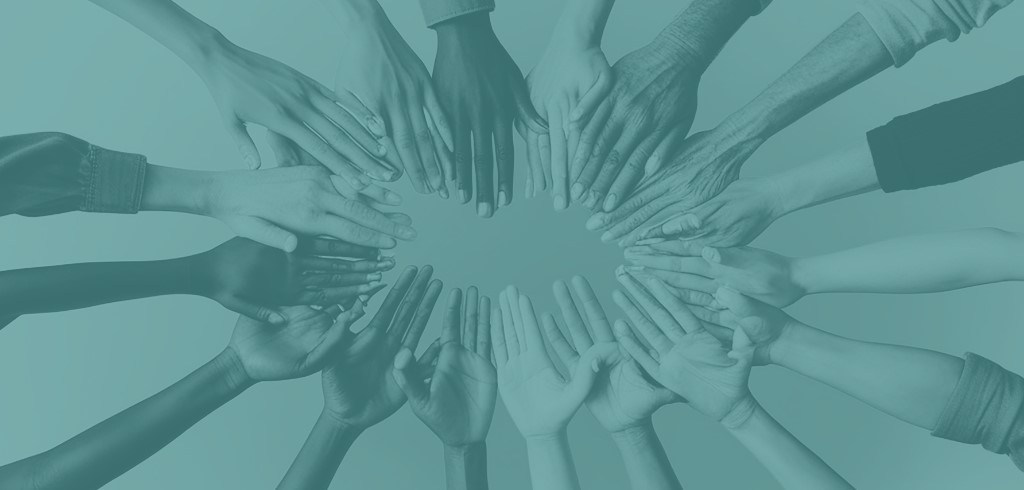
March is a month rich with opportunities to recognise, celebrate and deepen our commitment to creating an inclusive environment. Across the globe, several awareness days and cultural moments fall within the month – each one reminding us of the importance of dignity, respect, equity, and the power of diverse voices.
From International Women’s Day and Neurodiversity Celebration Week, to Zero Discrimination Day, the International Day for the Elimination of Racial Discrimination, and the celebration of Eid, March encourages us to pause, reflect and take meaningful action.
It’s also a great opportunity to remind everyone that discrimination of any kind – intentional or unintentional – has no place here. We have a zero‑tolerance approach to discriminatory behaviour, harassment, bullying, or any conduct that undermines the dignity or wellbeing of others. These behaviours are not only unacceptable; they’re fundamentally at odds with who we are and what we stand for as an organisation.
 Should you witness or experience discrimination or other forms of unacceptable behaviour we want you to know that there is support available and we encourage you to speak up, for yourself and for your colleagues.
 Should you witness or experience discrimination or other forms of unacceptable behaviour we want you to know that there is support available and we encourage you to speak up, for yourself and for your colleagues.
- Your first port of call should be to speak to your Line Manager or Head of Department. If you don’t feel comfortable speaking to them, you can also Speak Up to your Human Resources Manager on board or the People Team shoreside.
- You can also Speak Up via The Hotline, where you can make a report without giving your name. Find out more at carnivalcompliance.com.
- We have various policies that you may find useful including our Equality and Inclusion Policy and our Bullying and Harassment Policy. We’re also working on publishing an Anti-Racism Statement – look out for that coming soon.
Creating an inclusive environment isn’t the responsibility of a single team or role – it’s up to all of us.
One of the things that makes us a great team is that we work with people from all over the world. However, it’s not always easy to navigate our cultural values, similarities and differences. To help with this, we have a great range of learning tools and activities to help build your knowledge and play your part in creating an inclusive environment – click here to find out more.
Plus, here’s information about some of the dates that colleagues may be recognising this month:
- 1 March – Zero Discrimination Day: Zero Discrimination Day, celebrated annually on 1 March, promotes equality, inclusion and dignity for everyone, regardless of background. Originally launched in 2014 to combat the discrimination faced by those living with HIV, it’s now expanded to fight all forms of prejudice including discrimination based on age, gender, race and health issues and ensures everyone can live a full and productive life.
- 1 March – St. David’s Day: St. David’s Day honours the patron saint of Wales, St. David, remembering his life as a 6th century monk, bishop and miracle worker. It’s also a chance to celebrate Welsh culture, identity and heritage through traditions like wearing daffodils or leeks, enjoying Welsh music and reciting “Gwnewch y pethau bychain” which means ‘do the little things’.
- 4 March – Holi: Holi, also known as the ‘Festival of Colours’ is a Hindu festival that’s celebrated globally, bringing people together in the spirit of fun, colour and community. It celebrates spring, love and new life and also the victory of good over evil.
- 8 March – International Women’s Day: International Women’s Day is a time to celebrate women’s achievements and focus on advancing gender equality through collective action and support.
- 16-22 March – Neurodiversity Celebration Week: Did you know that 15-20% of people have a neurological difference? Neurodiversity Celebration Week aims to help the world to understand, value and celebrate the talents of neurodiverse minds, challenging stereotypes and misconceptions about neurological differences.
- 17 March – St. Patricks Day: St. Patrick is the patron saint of Ireland and is celebrated for bringing Christianity to the country. Although St. Patrick’s Day started out as a religious feast it’s now become an international festival celebrating all things Irish. People take part in parades and dancing, eat Irish food and enjoy firework displays.
- 19-20 March – Eid al-Fitr: Eid al-Fitr, or Festival of Breaking the Fast’, is an Islamic festival that marks the end of Ramadan for Muslims all over the world. It’s the first time that Muslims who’ve been observing Ramadan are able to eat during daylight hours and is a joyous, multiday celebration where they’ll thank Allah for the strength and patience to complete a month of fasting, prayer and spiritual devotion.
- 21 March – The International Day for the Elimination of Racial Discrimination: This day urges the global community to redouble efforts to eliminate all forms of racial discrimination and systemic racism. It also raises awareness of global racism and serves as a reminder that racial discrimination remains a widespread problem, appearing in systemic, structural, and often subtle ways in institutions, workplaces, and daily life.
- 31 March – Trans Day of Visibility
International Transgender Day of Visibility is an annual event dedicated to celebrating transgender people and raising awareness of discrimination faced by transgender people worldwide. It’s a day to celebrate and remind the trans community that the value of their lives, accomplishments, and contributions to society are not forgotten.
Together we can create an inclusive environment for everyone – click here to find out more.